Highly pathogenic avian influenza (HPAI) viruses can severely affect domestic animal, wildlife, and sometimes human health.


BOSTON — State environmental and health officials are informing the public that Highly Pathogenic Avian Influenza (HPAI) H5N1 virus, which rarely infects humans, is suspected to be the cause of death in cases of both wild and domestic birds in several Massachusetts municipalities
Richmond, VA — The Virginia Department of Wildlife Resources (DWR) is receiving increasing reports of sick or dead wild birds on the Eastern Shore and isolated instances in the eastern half of the state. Preliminary testing indicates that the likely cause in several cases was H5N1 highly pathogenic avian influenza (HPAI).
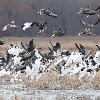
The North Dakota Game and Fish Department is monitoring a mortality event involving Canada geese along the Missouri River and Nelson Lake in Oliver County. Testing of carcasses has indicated that highly pathogenic avian influenza (HPAI) is the likely cause. Carcasses have been reported where large congregations of geese occur near open water.
LITTLE ROCK — The Arkansas Game and Fish Commission is asking waterfowl hunters and wildlife watchers heading to the field to keep an eye out for any sick or dead birds they find in the wild that may be the result of avian influenza.
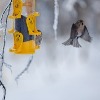
To survive Michigan’s frigid winter temperatures, some birds store food from feeders to eat later in winter, while others expand their food sources and change their diets.